


Brian C. Tefft
Principal Researcher
Biography
Brian Tefft joined the AAA Foundation for Traffic Safety in 2006. He conducts and manages research on a wide variety of traffic safety issues including driver distraction, drowsiness, and impairment; teenage drivers; pedestrian safety; and driver understanding of new vehicle technologies. His research has been published in many leading scientific journals including Accident Analysis and Prevention, American Journal of Epidemiology, Human Factors, Journal of Safety Research, and Sleep. He serves as an associate editor of the journal Traffic Injury Prevention and has served on many expert panels, working groups, and task forces. Tefft holds a Level 1 Road Safety Professional (RSP1) certification and earned his Bachelor of Science degree in mechanical engineering from Brown University.
Featured Research
- Estimating Cannabis Involvement in Fatal Crashes in Washington State Before and After the Legalization of Recreational Cannabis Consumption Using Multiple Imputation of Missing Values
- Crash Risk and Roadway Familiarity
- Acute Sleep Deprivation and Culpable Motor Vehicle Crash Involvement
- Impact Speed and a Pedestrian’s Risk of Severe Injury or Death
- Prevalence of Motor Vehicle Crashes Involving Drowsy Drivers, United States, 1999-2008
Recent AAA Foundation Research by Brian C. Tefft

Piloting a Reporting System for Roadside Safety Incidents

Effects of Vehicle Headlight Color on Glare and Safety
Understanding the Circumstances of Roadside Fatalities
Pedestrian Injuries: Understanding the Actual Magnitude and Trends

Slow Down, Move Over Laws: National Survey of Drivers’ Knowledge, Attitudes, and Behaviors, 2025

Understanding the Increase in Fatal Hit-and-Run Crashes: Prevalences of Crashes, Injuries, and Deaths in the United States, 2017-2023

Fatal Wrong-Way Crashes on Divided Highways, United States, 2014-2023

The Safety Impact of Road Debris: Updated Prevalences of Crashes, Injuries, and Deaths in the United States, 2018–2023

Driving with Partial Driving Automation Systems: Developing Effective Training that Drivers Will Use
Driving While Impaired: Individual, Social, and Contextual Factors that Impact Drivers’ Decisions

Pedestrian Fatalities on Urban Arterial Roads at Night: An In-Depth Crash Analysis and Three Case Studies
Understanding the Increasing Trend in Traffic Fatalities in Urban Areas

Consumer Education and Training for Vehicle Automation: Outcomes from an Expert Workshop

Traffic Safety Impact of the COVID-19 Pandemic: Fatal Crashes in 2020–2022

Drowsy Driving in Fatal Crashes, United States, 2017–2021
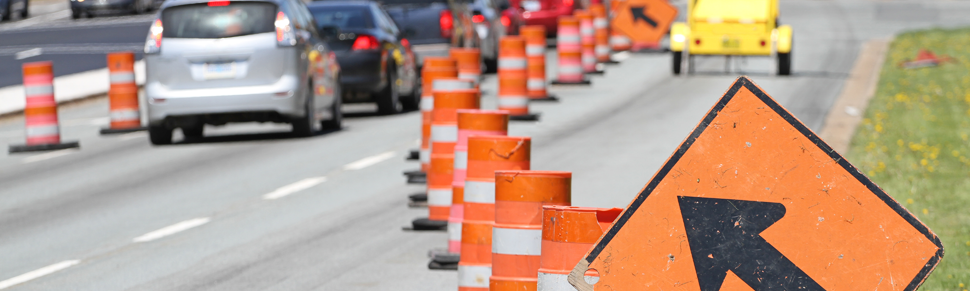
Roadside Assistance Providers Fatally Struck by Vehicles at the Roadside: Incidence and Characteristics

American Driving Survey: 2022

User Interactions with Vehicle Automation Technologies: A Review of Previous Research and a Proposed Framework

Traffic Safety Impact of the COVID-19 Pandemic: Fatal Crashes Relative to Pre-Pandemic Trends, United States, May–December 2020

American Driving Survey, 2020–2021

Traffic Fatalities on Urban Roads and Streets in Relation to Speed Limits and Speeding, United States, 2010–2019

Self-Reported Risky Driving in Relation to Changes in Amount of Driving During the COVID-19 Pandemic
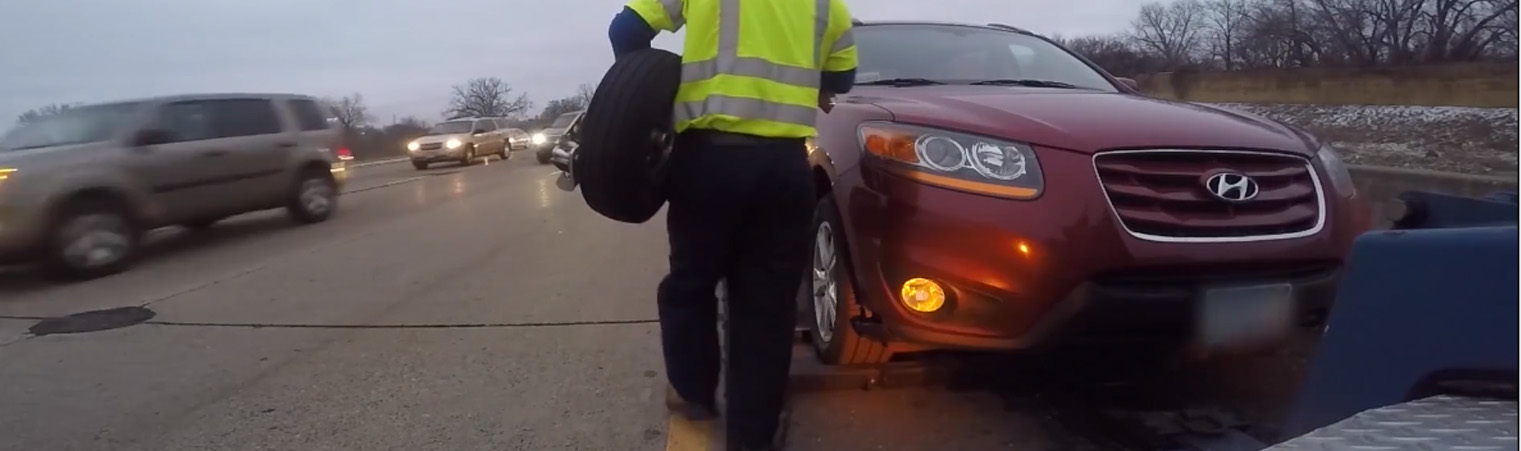
Improving Roadside Responder Crash Data: Outcomes from an Expert Roundtable Discussion

Travel in the United States Before and During the COVID-19 Pandemic

Examining the Increase in Pedestrian Fatalities in the United States, 2009–2018

Cannabis Use Among Drivers in Fatal Crashes in Washington State Before and After Legalization

Effectiveness of Distracted Driving Countermeasures: A Review of the Literature

Prevalence and Timing of Driver Licensing Among Young Adults, United States, 2019
American Driving Survey, 2014 – 2017

Assessing Fatality Rates in Crash Involvement for Motorists and Non-Motorists in Teen Driver Crashes by Risk Factor

Potential Reduction in Crashes, Injuries and Deaths from Large-Scale Deployment of Advanced Driver Assistance Systems

Hit-and-Run Crashes: Prevalence, Contributing Factors and Countermeasures

Prevalence of Drowsy Driving Crashes: Estimates from a Large-Scale Naturalistic Driving Study

American Driving Survey, 2015 – 2016
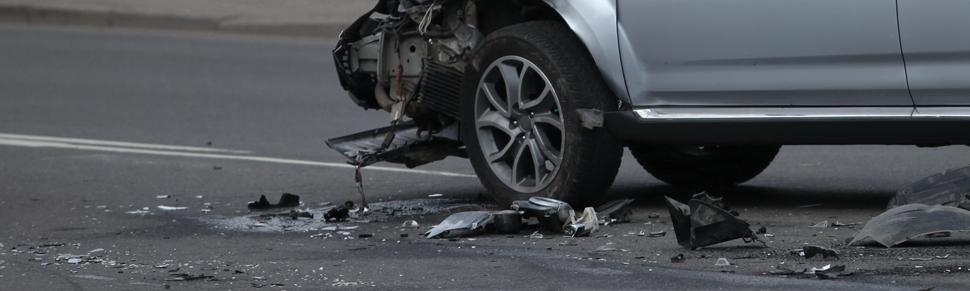
Rates of Motor Vehicle Crashes, Injuries and Deaths in Relation to Driver Age, United States, 2014-2015

Acute Sleep Deprivation and Risk of Motor Vehicle Crash Involvement

American Driving Survey: 2014 – 2015

The Prevalence of Motor Vehicle Crashes Involving Road Debris, United States, 2011-2014

Prevalence of Marijuana Involvement in Fatal Crashes: Washington, 2010-2014

Driving Under the Influence of Alcohol and Marijuana: Beliefs and Behaviors, United States, 2013-2015

Motor Vehicle Crashes, Injuries, and Deaths in Relation to Weather Conditions, United States, 2010-2014

Prevalence of Self-Reported Drowsy Driving, United States: 2015
Teen Driver Crashes: 1994-2013
Prevalence of Motor Vehicle Crashes Involving Drowsy Drivers, United States, 2009-2013
Hidden Highways: Fog and Traffic Crashes on America’s Roads
Older American Drivers and Traffic Safety Culture: A LongROAD Study
Driver License Renewal Policies and Fatal Crash Involvement Rates of Older Drivers, United States, 1985–2011
Temporal Trends in Indicators of Traffic Safety Culture among Drivers in the United States, 2009–2012
Timing of Driver’s License Acquisition and Reasons for Delay among Young People in the United States, 2012
Distracted and Risk-Prone Drivers
2012 Traffic Safety Culture Index: Motorists Admit to Driving Drowsy
Motor Vehicle Crashes, Injuries, and Deaths in Relation to Driver Age: United States, 1995 – 2010
Graduated Driver Licensing Research Review, 2010 – Present
Characteristics of Fatal Crashes Involving 16- and 17-Year-Old Drivers with Teenage Passengers
Teen Driver Risk in Relation to Age and Number of Passengers
Impact Speed and a Pedestrian’s Risk of Severe Injury or Death
The Prevalence and Impact of Drowsy Driving